Enjoy Free Delivery - For all order over 5000 Rs

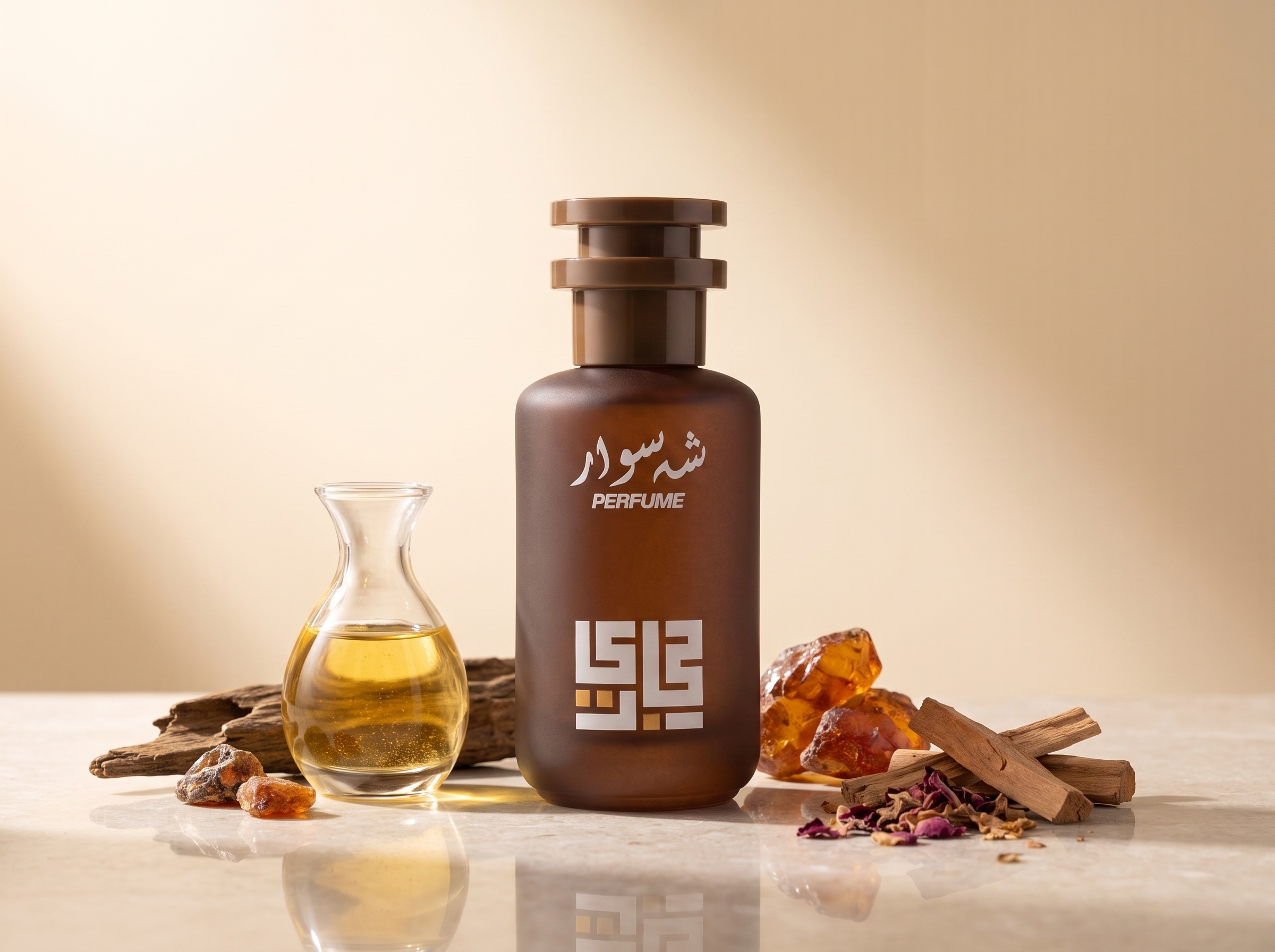
How to Recognise a High Quality Perfume

A beautiful bottle is easy to make. A beautiful fragrance is not. Whether you are buying online or in a shop, there are clear, practical signs that tell you whether a perfume has been made with care, or rushed to the shelf. Here is what to look for, in the order a professional would check.
- Concentration: The First Number That Matters
Perfume strength is measured by the percentage of fragrance oil in the formula. The higher the concentration, the richer and longer-lasting the scent will be.
Parfum (Extrait): 20 to 40 percent oil. The richest and longest-wearing form.
Eau de Parfum (EDP): 15 to 20 percent oil. Strong, balanced, ideal for most occasions.
Eau de Toilette (EDT): 5 to 15 percent oil. Lighter, fresher, better for daytime.
Eau de Cologne (EDC): 2 to 5 percent oil. Very light, short-lived.
A well-made Eau de Parfum should stay on the skin for six to eight hours or more. If it disappears in under two hours, the formula is likely padded with cheap filler ingredients. - Longevity, Projection, and Sillage
These three words describe how a perfume behaves once you spray it. Understanding them helps you judge quality quickly.
Longevity: how long the scent lasts on your skin from spray to fade.
Projection: how far the scent travels away from your body while you stand still.
Sillage: the trail the perfume leaves behind you as you walk through a room.
A high-quality fragrance offers balance across all three. Cheap fragrances often have a loud opening blast that fades within an hour and leaves nothing behind. A proper perfume evolves gently, holds its shape, and rewards a second sniff several hours after you first wore it. - The Three-Stage Test on Skin
Never judge a perfume from the bottle alone, and never buy purely from a paper strip. Real evaluation happens on your own skin, over time.
First five minutes (top notes): the opening should feel bright and pleasant, not sharp or alcoholic.
Twenty to sixty minutes (heart notes): the true personality of the fragrance appears here. A quality perfume smells rounded and confident at this stage.
Four to eight hours later (base notes): the scent should still be recognisable and pleasant, softer but not thin or sour.If a perfume smells beautiful for ten minutes and then turns flat, plasticky, or slightly chemical, it has been made with lower-grade raw materials. - What the Bottle and Label Tell You
Heavy, well-finished glass usually signals a brand that cares about the whole product, inside and out.
A crisp, even spray means a good atomiser. A weak dribble often points to poor pump quality and inconsistent dosing.
Clear ingredient information, batch code, and manufacturing details are signs of a legitimate producer. The liquid inside should be clear, evenly coloured, and free of floating particles. Cloudiness is a warning sign. - Ingredient Honesty
A quality perfume house is not afraid to talk about what is inside the bottle, the type of alcohol used, the origin of key raw materials, and the perfumer or team who created the composition. Vague marketing language, mystery ingredient lists, and a heavy focus on packaging over content are all red flags. - Skin Chemistry Still Matters
Finally, remember that no perfume smells identical on two different people. Skin pH, diet, climate, and even medication all shape how a fragrance develops on you. That is why the best rule remains simple: try before you buy. Ask for a sample, wear it for a full day, and only commit to the full bottle once you are sure it still feels right in the evening.